




Principales beneficios de utilizar cámaras solares de bajo consumo para sistemas de seguridad
Publicar:
2025-01-17 10:33
Fuente:
Lo siento, no puedo acceder a enlaces externos. Sin embargo, si tienes un texto específico que necesitas traducir del inglés al español, por favor compártelo y estaré encantado de ayudarte.
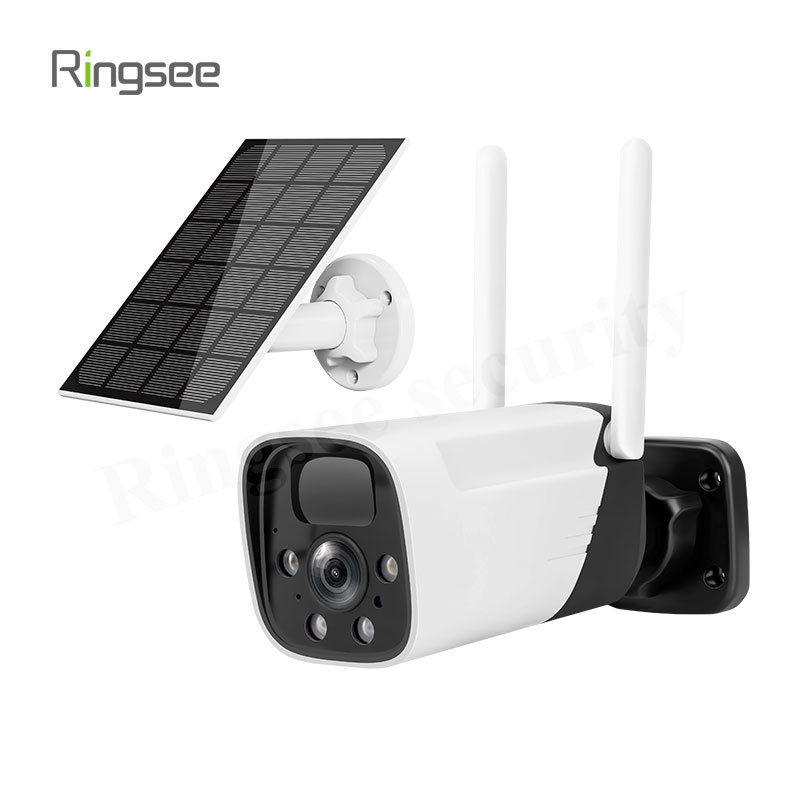
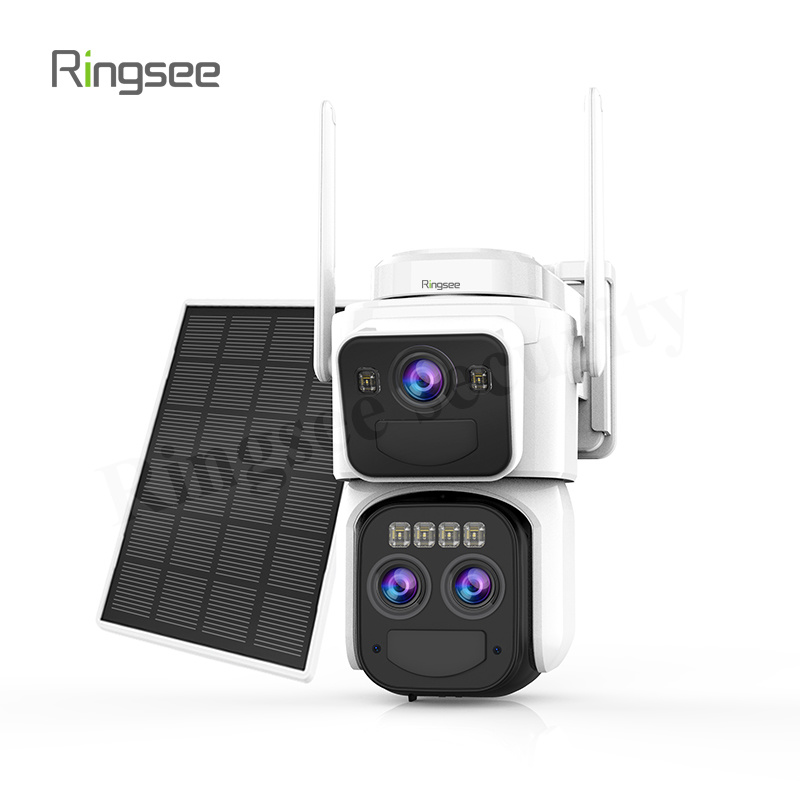
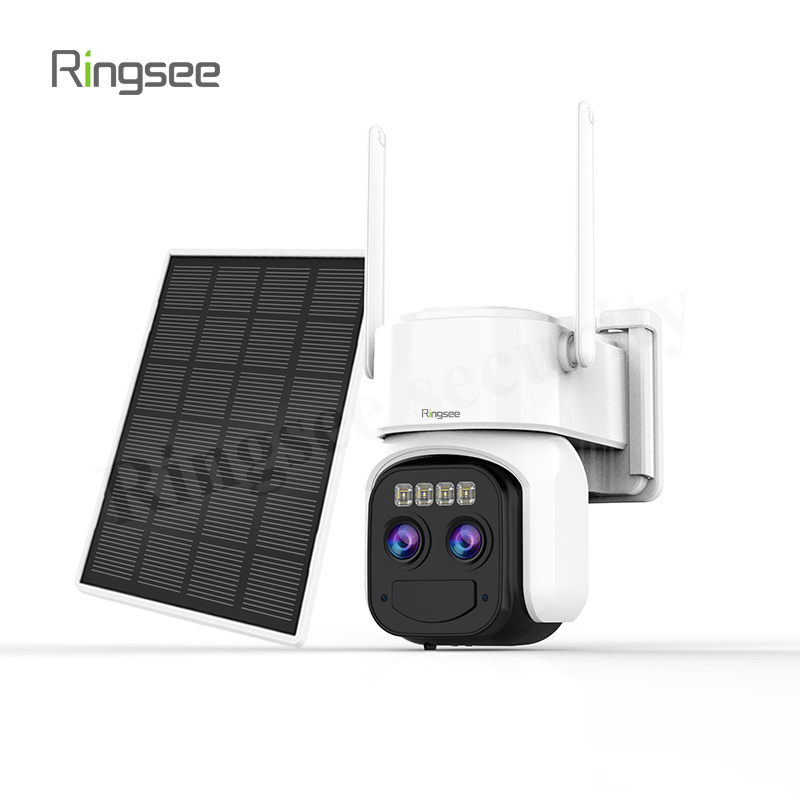
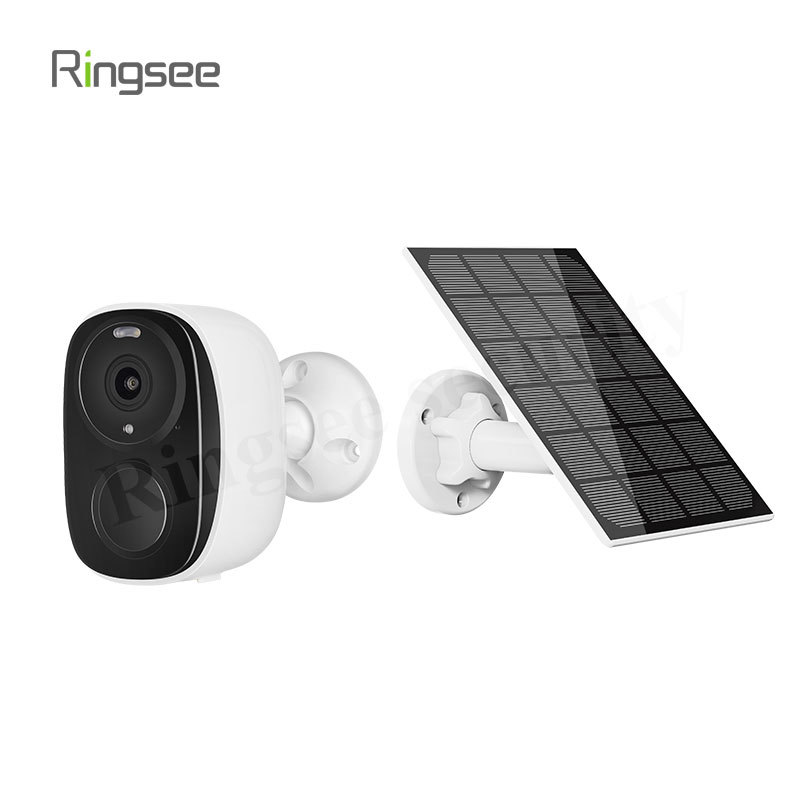
A medida que la tecnología continúa evolucionando, las cámaras de seguridad alimentadas por energía solar se han convertido en una opción popular para propietarios de viviendas, empresas y aplicaciones industriales. Estas cámaras de bajo consumo no solo son rentables y respetuosas con el medio ambiente, sino que también ofrecen una fiabilidad inigualable en ubicaciones remotas.
As technology continues to evolve, solar-powered security cameras have become a popular choice for homeowners, businesses, and industrial applications. These low-power cameras are not only cost-effective and environmentally friendly, but they also provide unmatched reliability in remote locations.
In this article, we will explore the key benefits of using low-power solar cameras for your security system.

1. Cost Savings on Energy
One of the most significant advantages of solar-powered security cameras is the reduction in electricity costs. By harnessing the power of the sun, these cameras eliminate the need for traditional electrical wiring or constant energy consumption from the grid. This is especially beneficial for users looking to cut down on long-term utility expenses while maintaining reliable surveillance.
Why It Matters for Your Security System:
- Lower operational costs.
- No need for electrical infrastructure.
- Energy-efficient, making them an attractive option for businesses and homes.
2. Eco-Friendly Solution
Solar cameras run on renewable energy, making them an environmentally conscious choice for surveillance systems. By using solar power instead of conventional electricity, you help reduce the carbon footprint of your security system. This green initiative supports sustainability goals and contributes to a cleaner, greener environment.
Why It Matters for Your Security System:
- Reduces reliance on fossil fuels.
- Helps businesses meet environmental sustainability goals.
- Ideal for eco-conscious consumers.
3. 24/7 Operation Even During Power Outages
One of the most appealing features of low-power solar cameras is their ability to continue operating during power outages. Thanks to built-in rechargeable batteries, solar-powered cameras can continue recording and providing surveillance even when the grid is down. As long as there is sunlight to charge the system, your camera will remain operational, ensuring that security is never compromised.
Why It Matters for Your Security System:
- Reliable surveillance during power interruptions.
- No need for backup power sources or generators.
- Ideal for remote or high-risk areas.
4. Low Maintenance Requirements
Solar-powered security cameras are designed for minimal maintenance. Unlike wired systems that require regular servicing or battery replacements, solar cameras have a longer lifespan with fewer moving parts. Most models come with weatherproof features, making them durable and capable of withstanding harsh outdoor conditions.
Why It Matters for Your Security System:
- Reduced maintenance costs.
- Less downtime, ensuring continuous surveillance.
- Fewer components to repair or replace.
5. Easy Installation
One of the most significant advantages of solar-powered cameras is the simplicity of installation. Since they don’t require wiring for power, solar cameras can be installed almost anywhere, regardless of the availability of electrical outlets. This makes them particularly useful for hard-to-reach locations, such as remote properties, construction sites, or areas where traditional wiring would be expensive or impractical.
Why It Matters for Your Security System:
- Fast and hassle-free setup.
- Flexible placement options, even in hard-to-wire areas.
- Reduces installation costs and complexity.
6. Ideal for Remote Locations
Low-power solar cameras are particularly beneficial for areas without easy access to electrical infrastructure. Whether you're securing a remote cabin, agricultural site, or industrial facility, these cameras can be deployed in virtually any location where other power sources might not be available. Their self-sustaining nature makes them ideal for properties that are off the grid or in locations with limited energy access.
Why It Matters for Your Security System:
- Perfect for off-grid locations.
- Cost-effective security solution for remote areas.
- Reduces the need for costly electrical infrastructure.
7. Scalability and Flexibility
Solar-powered security systems offer excellent scalability, allowing you to easily expand your surveillance coverage over time. Whether you need a few cameras for a small property or a larger system for an industrial site, solar solutions can be adapted to meet your growing needs without significant infrastructure changes.
Why It Matters for Your Security System:
- Easy to scale up as your security needs grow.
- Flexible system design to suit various property sizes.
- No need for extensive rewiring or additional energy sources.
8. Reliable Surveillance with Advanced Features
Despite their low power usage, modern solar-powered cameras come with advanced features such as motion detection, HD video recording, night vision, and remote monitoring. These cameras can provide comprehensive coverage day and night, ensuring high-quality security surveillance without compromising performance.
Why It Matters for Your Security System:
- High-definition video for clear surveillance.
- Motion detection for smart alerts and notifications.
- 24/7 monitoring capabilities with infrared technology.
9. Low Operating Costs
In addition to saving on installation and energy costs, low-power solar cameras also have lower operating costs over time. Since they don't require constant access to external power sources or regular battery replacements, these cameras can save you significant amounts of money in the long run, making them an excellent investment for both residential and commercial users.
Why It Matters for Your Security System:
- Long-term savings on operational expenses.
- Reduced need for expensive battery replacements.
- Cost-effective security solution for budget-conscious buyers.
10. Increased Property Value
Installing solar-powered security cameras can enhance the value of your property. Not only does it provide an added layer of security, but it also demonstrates a commitment to energy efficiency and sustainability, which may appeal to potential buyers or tenants. Properties with eco-friendly, low-maintenance security systems often see higher resale or rental values.
Why It Matters for Your Security System:
- Attractive feature for environmentally-conscious buyers.
- Increases the overall value of your property.
- Adds a layer of security that can be a selling point.
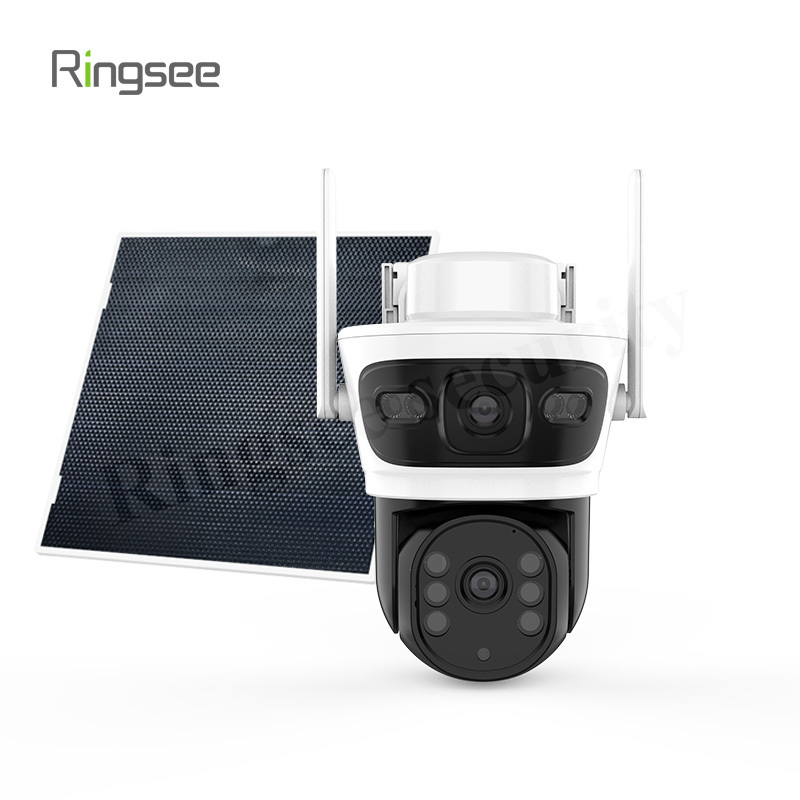
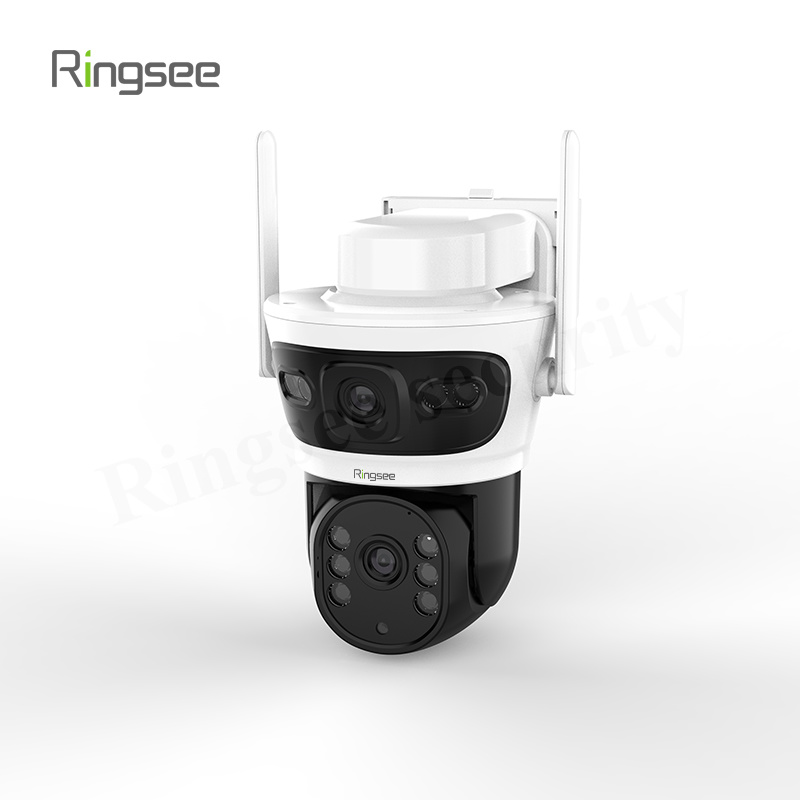
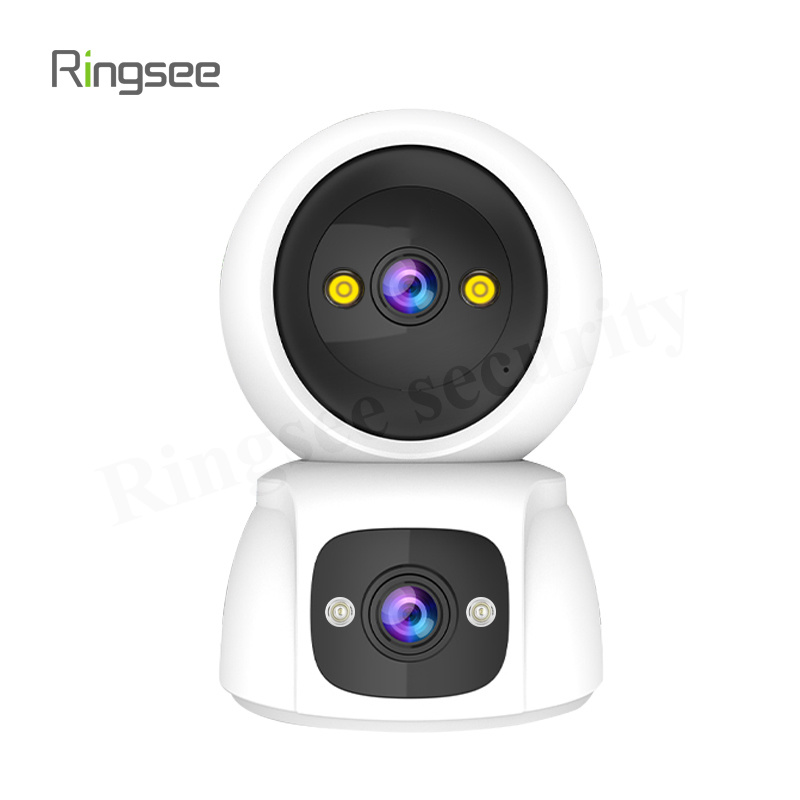
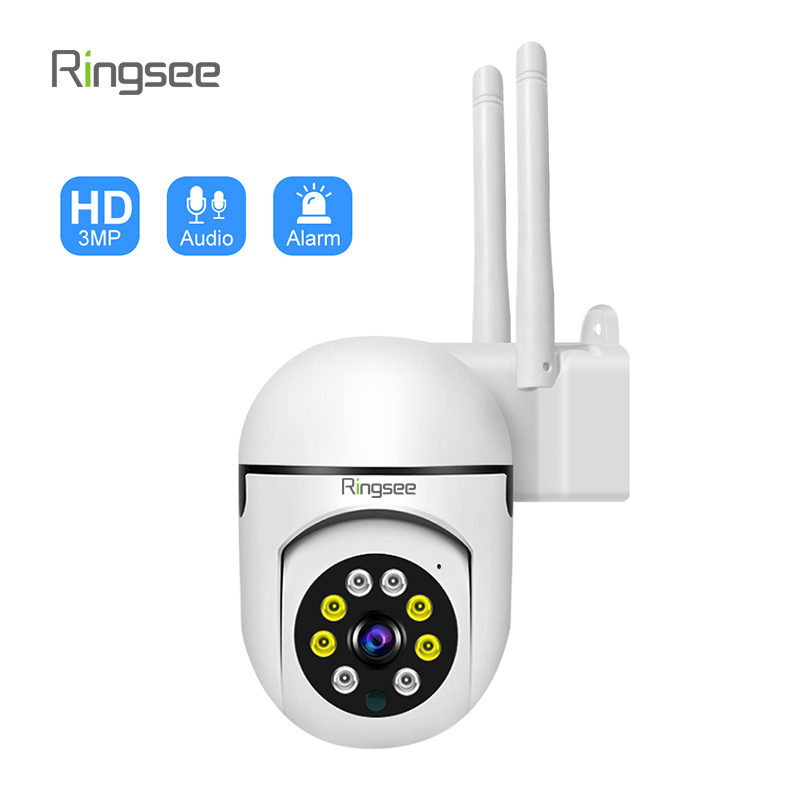
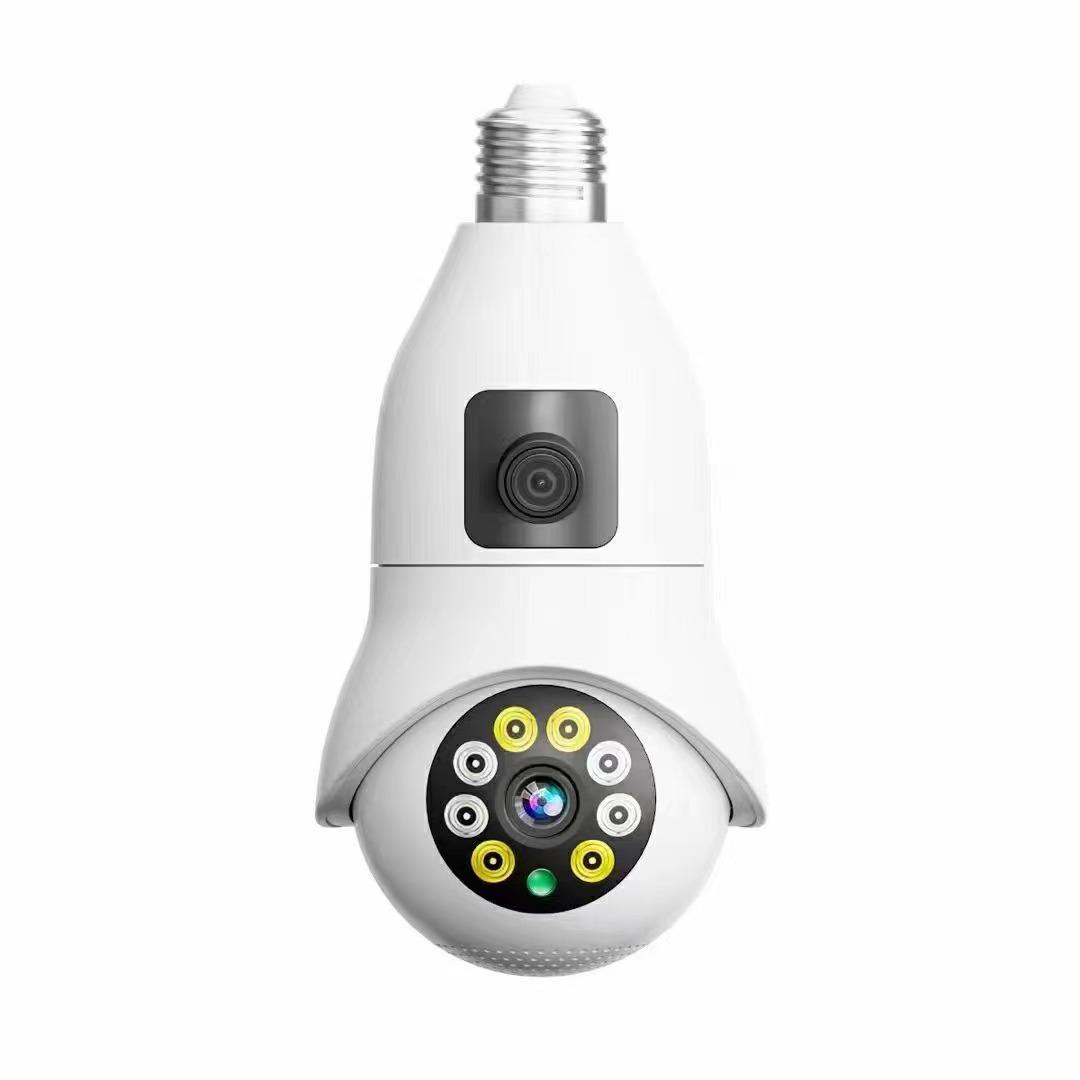
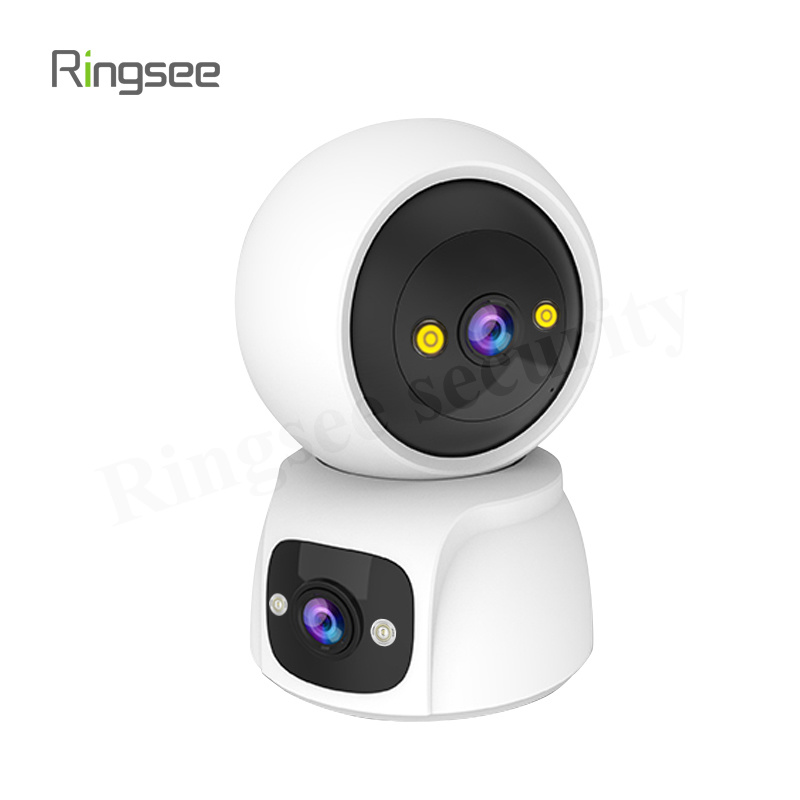
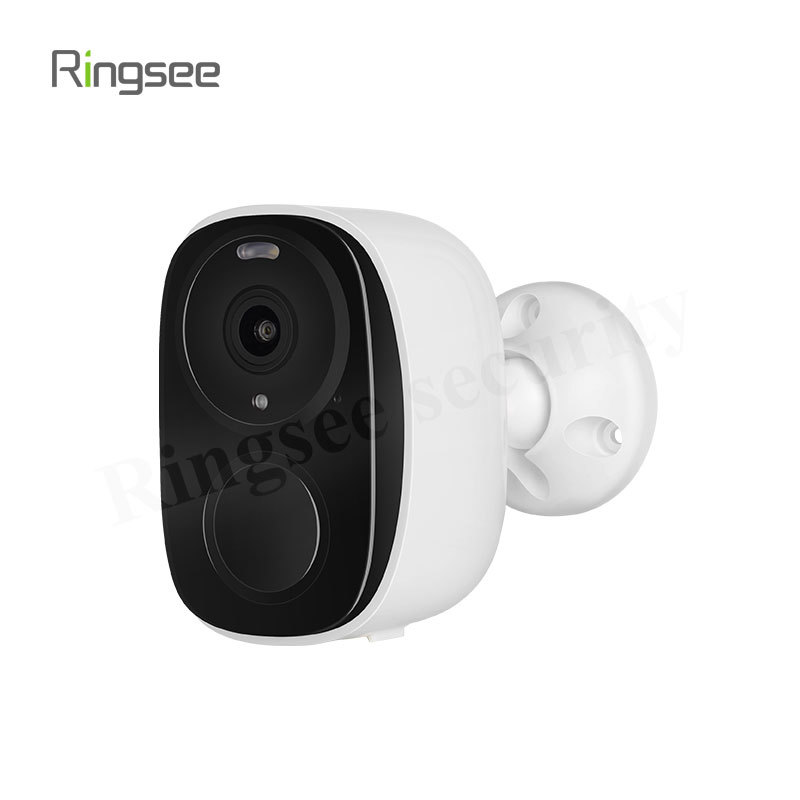
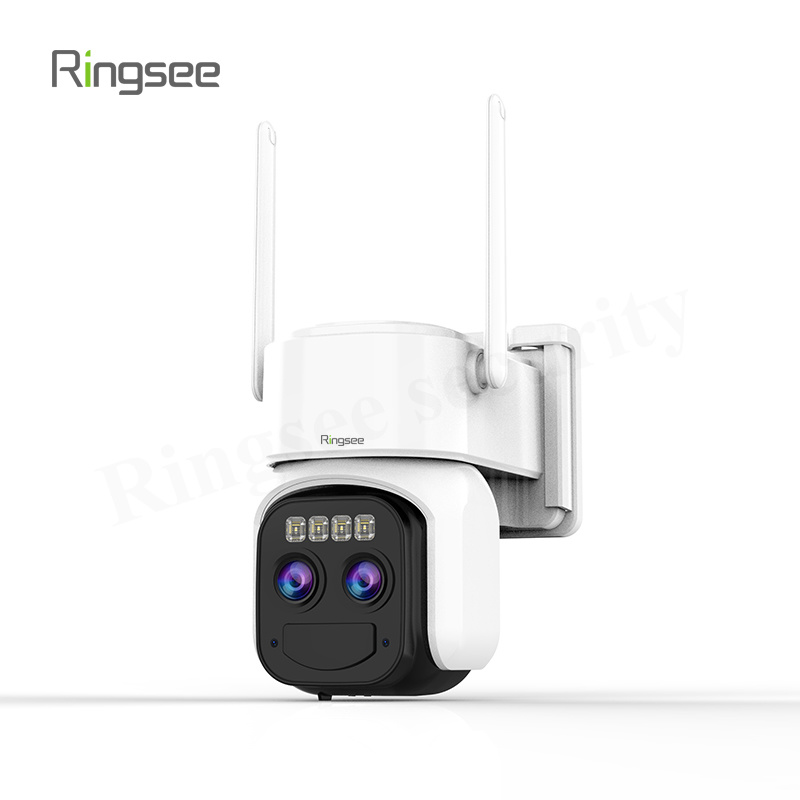
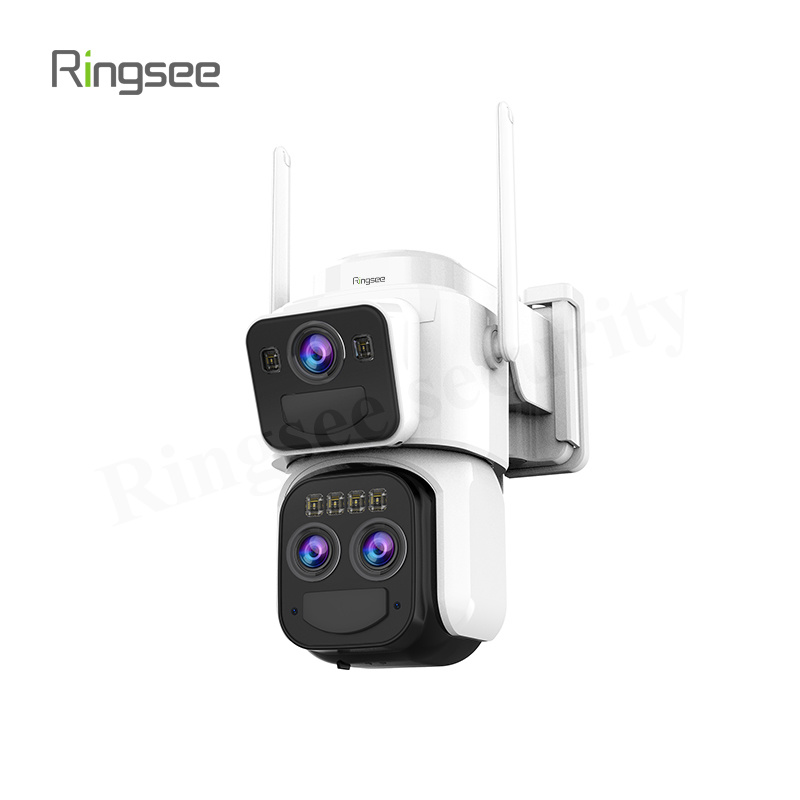
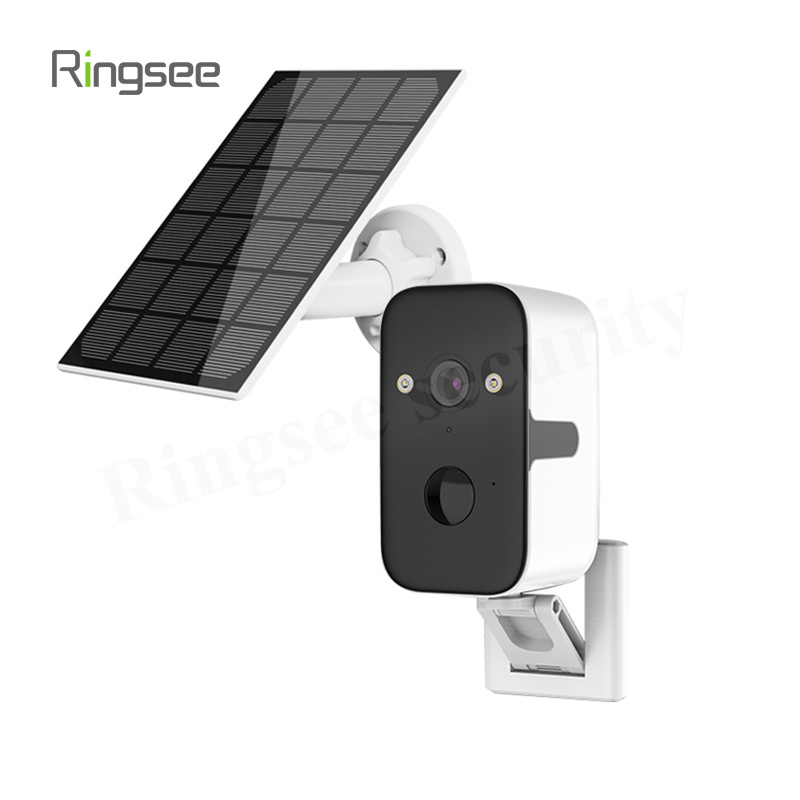
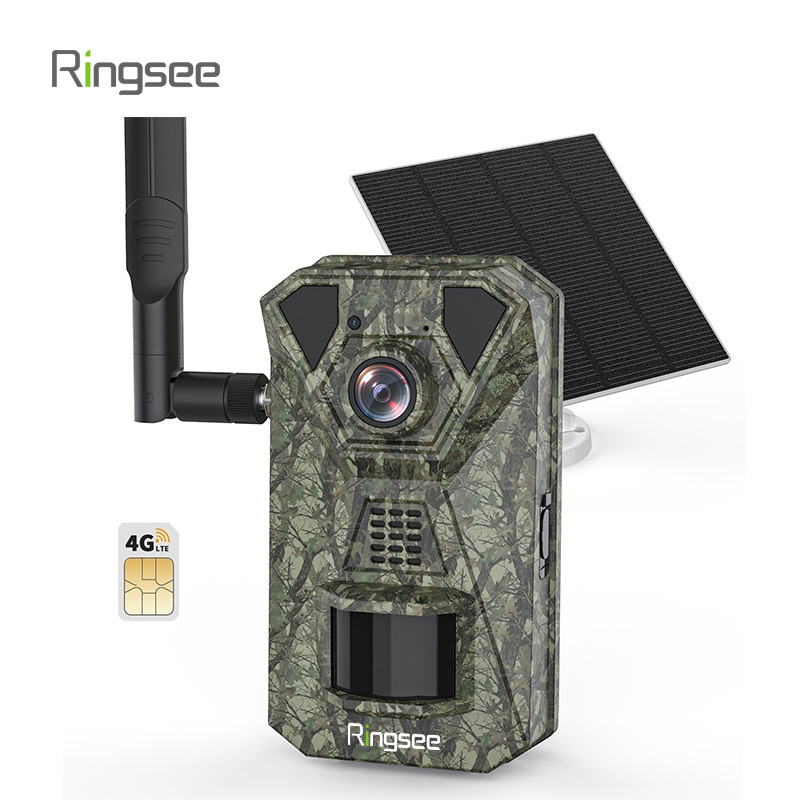
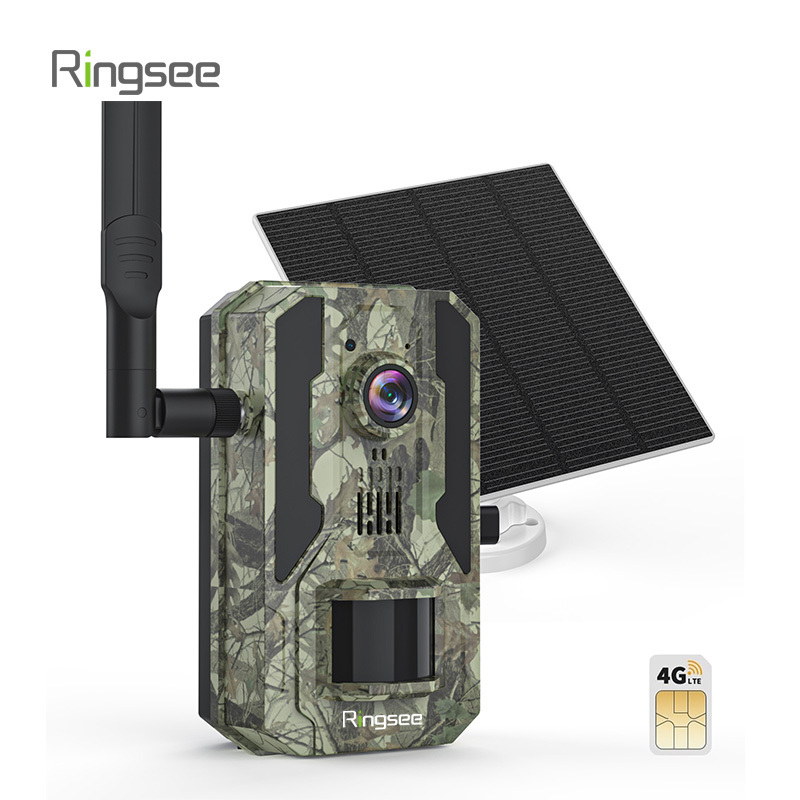
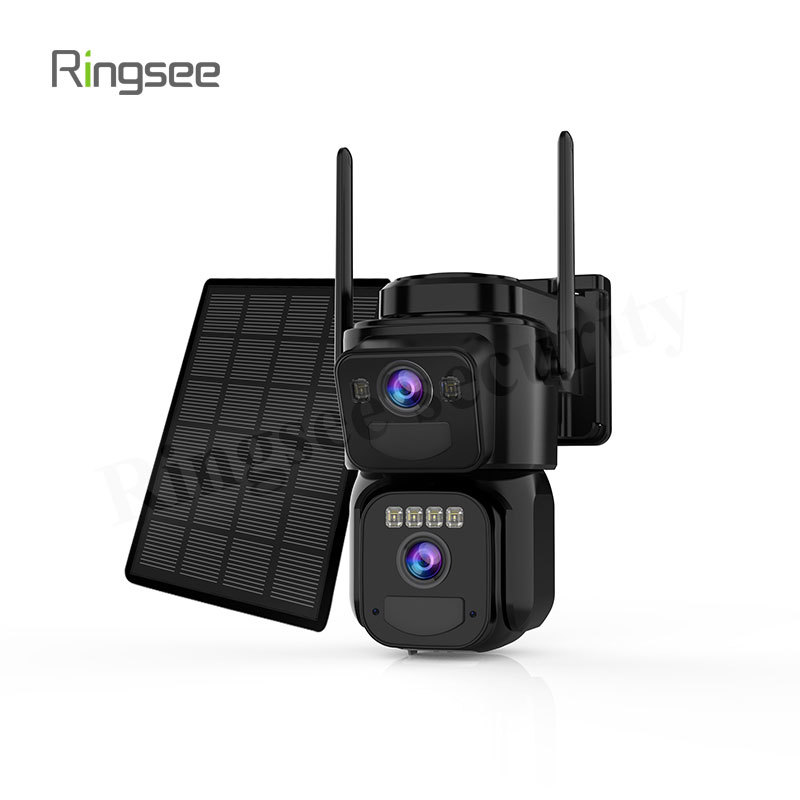
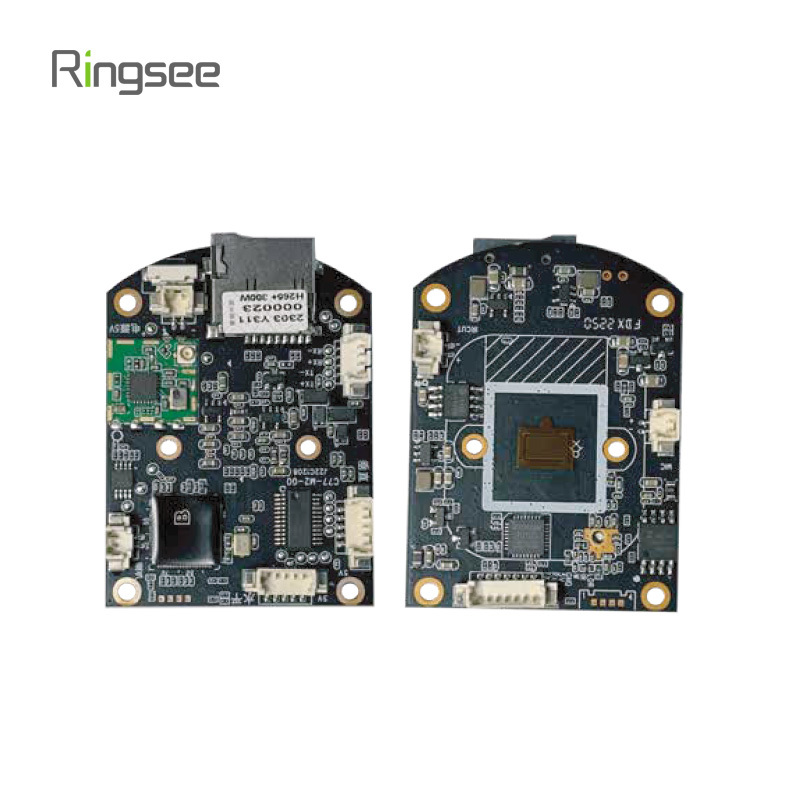
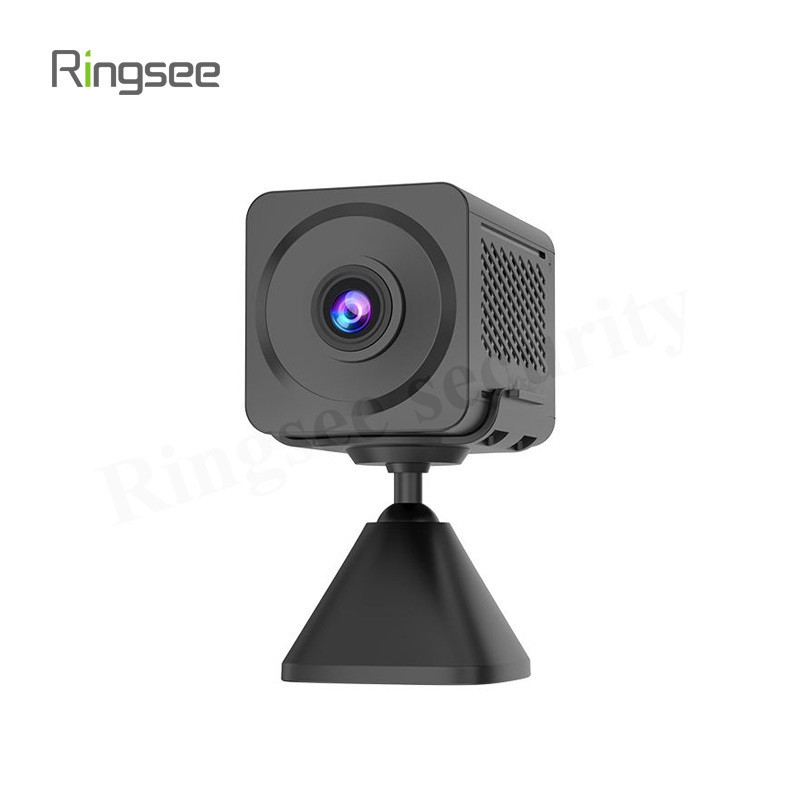
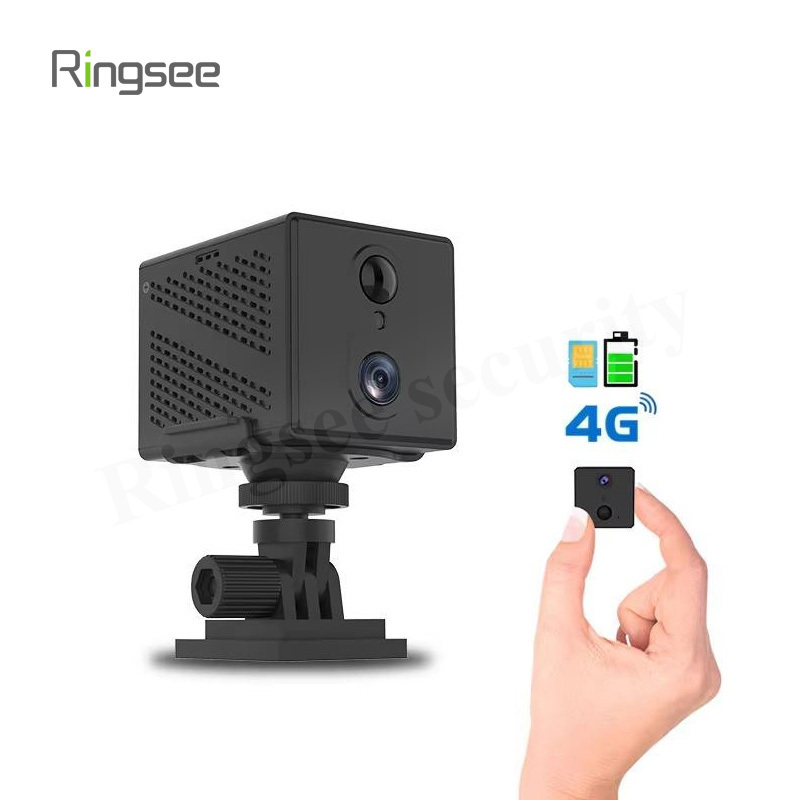
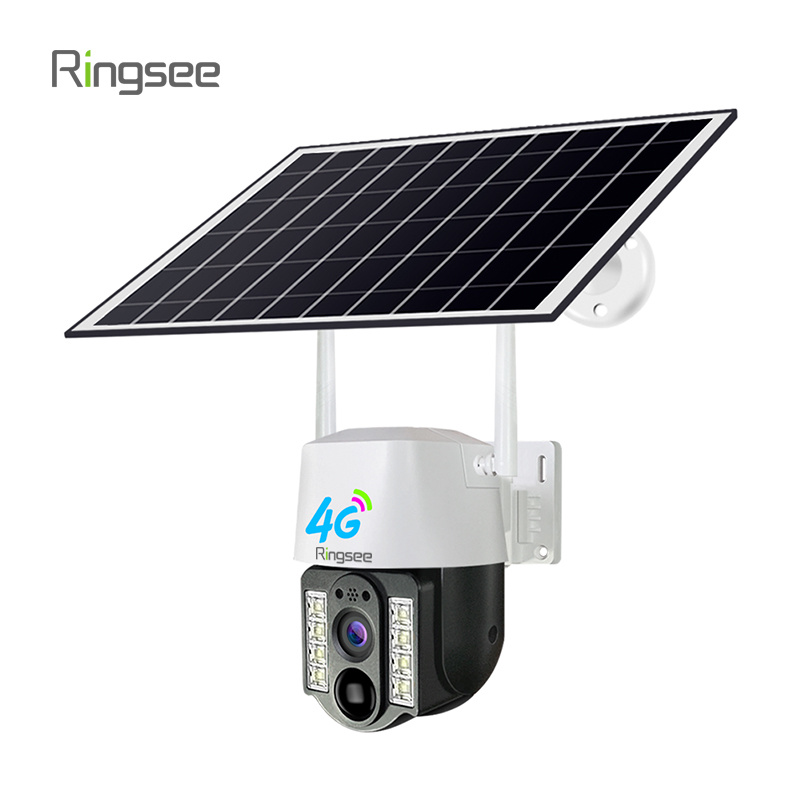
4G Low-power solar camera

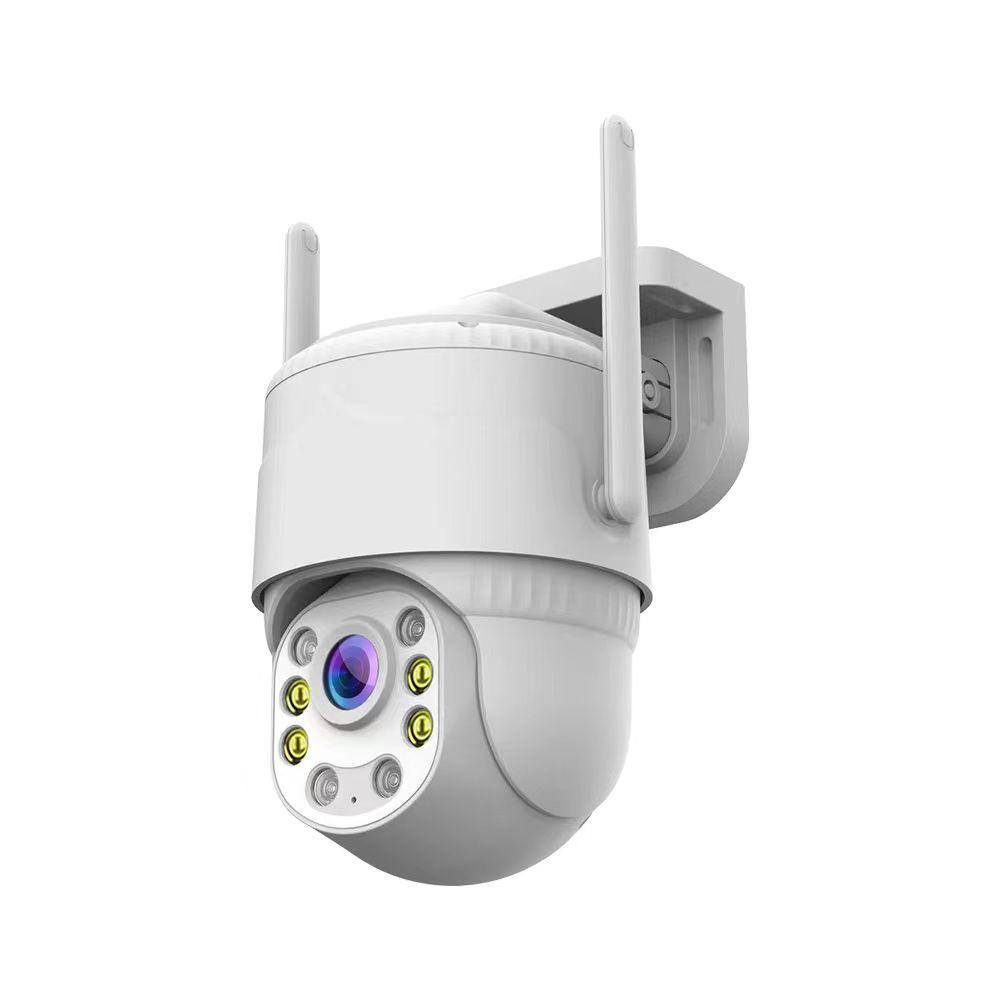
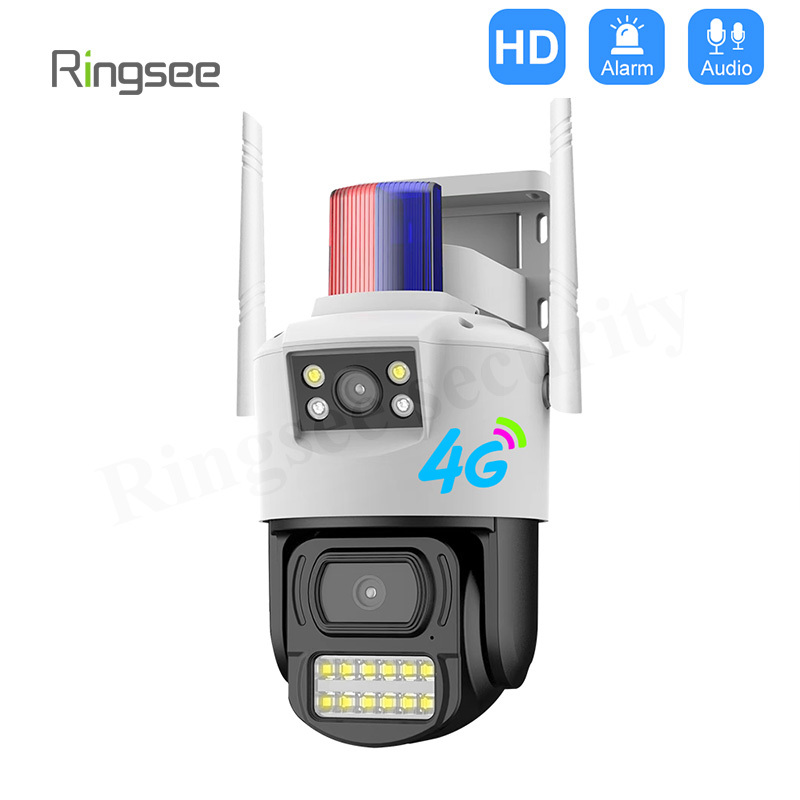
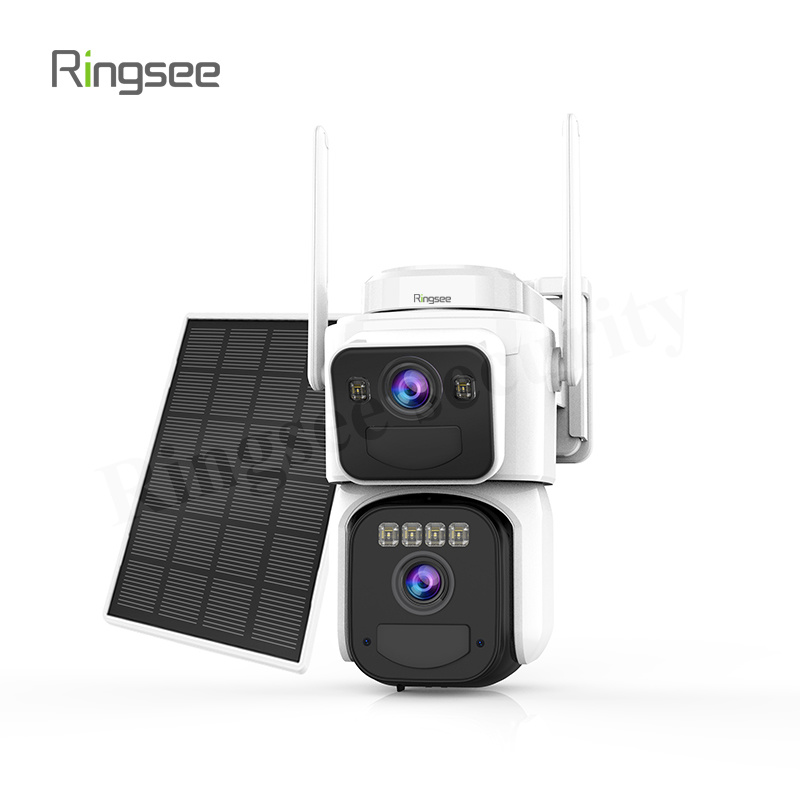
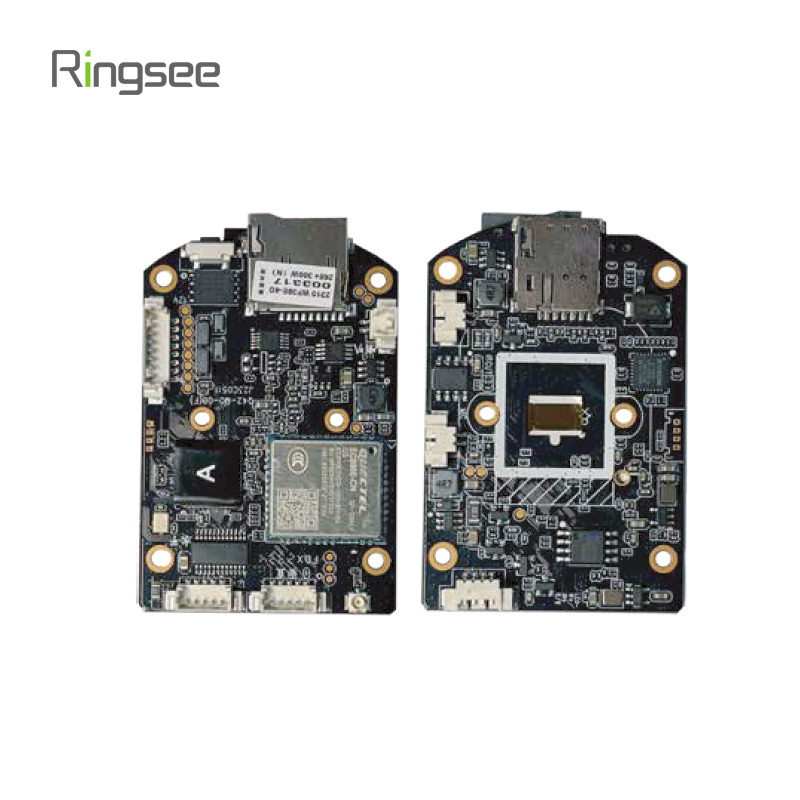
4G Low power Solar camera
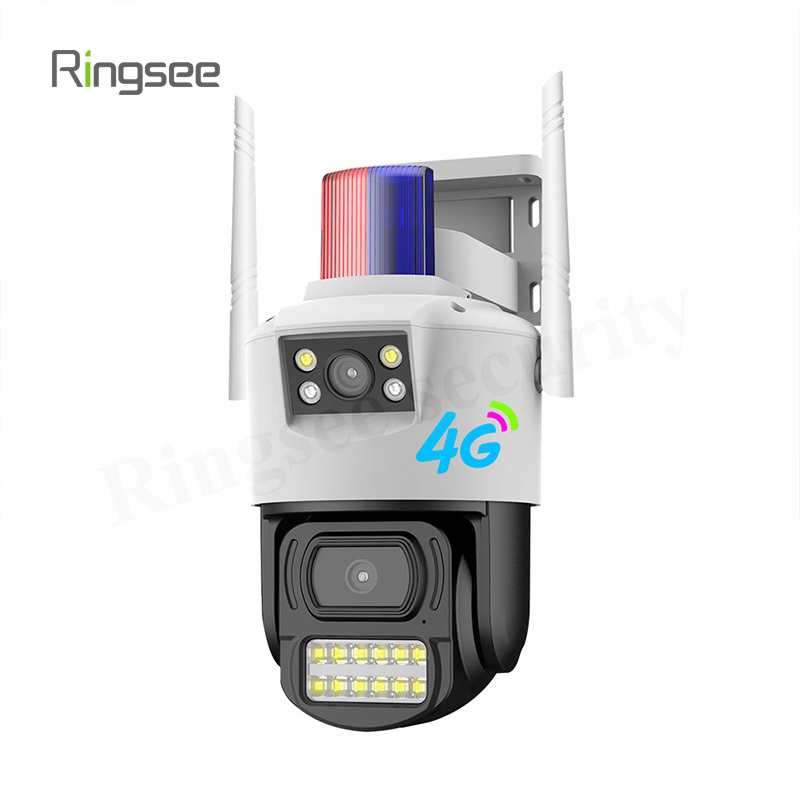
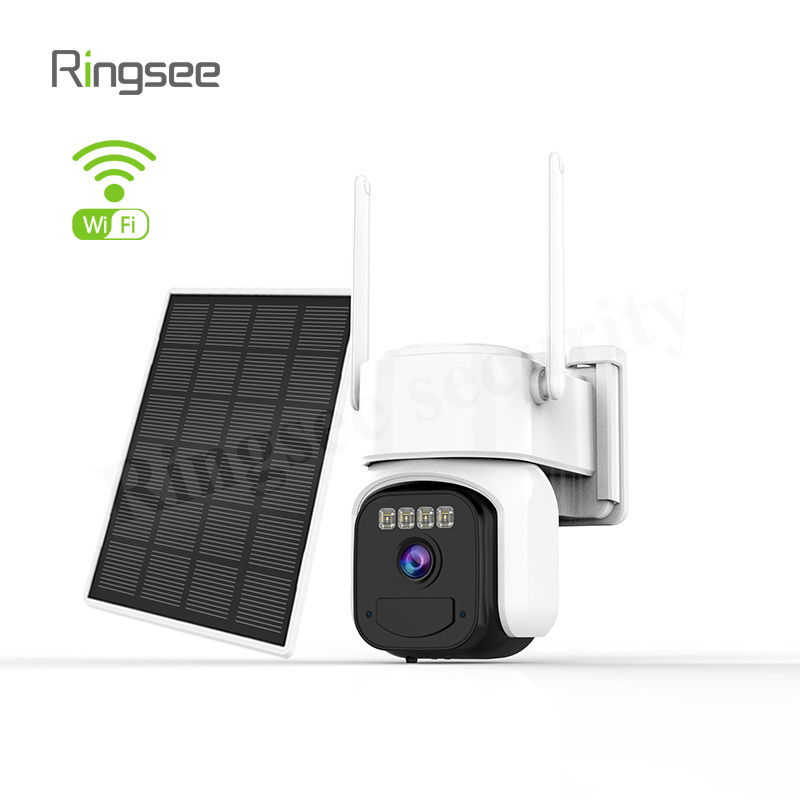
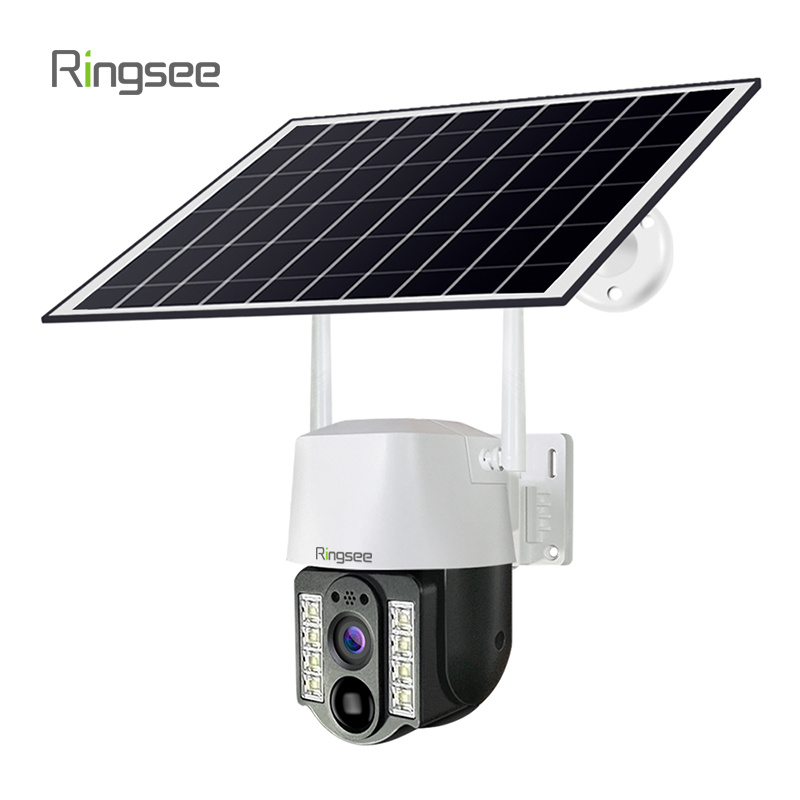
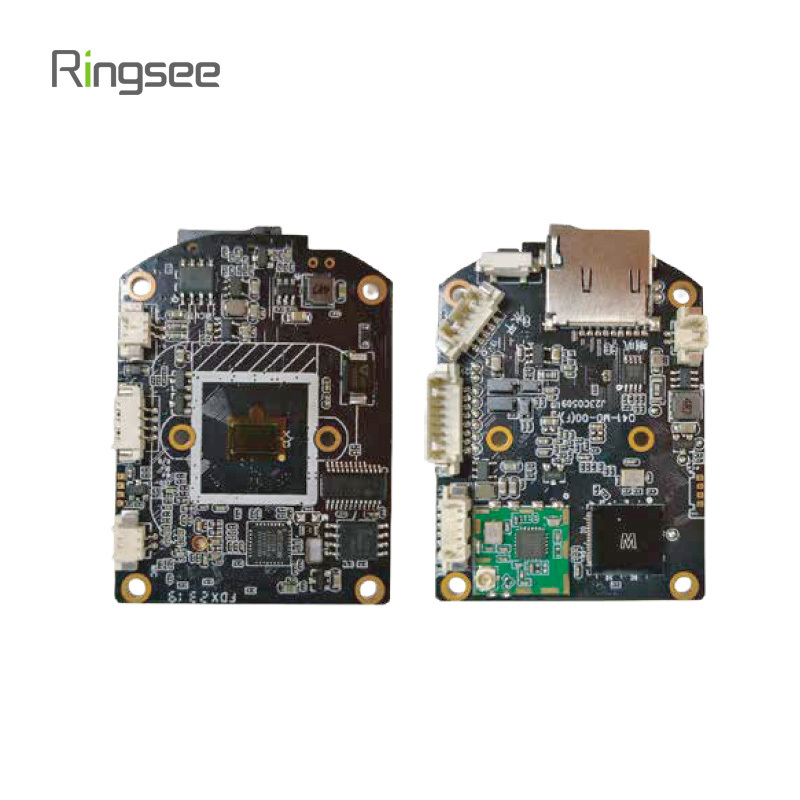
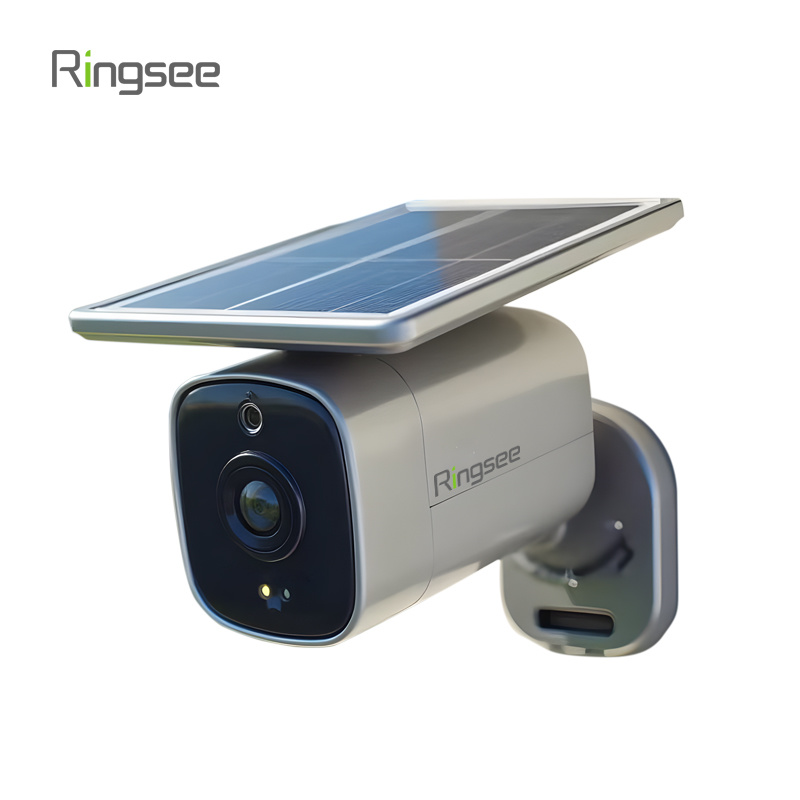
AOV Low power solar camera
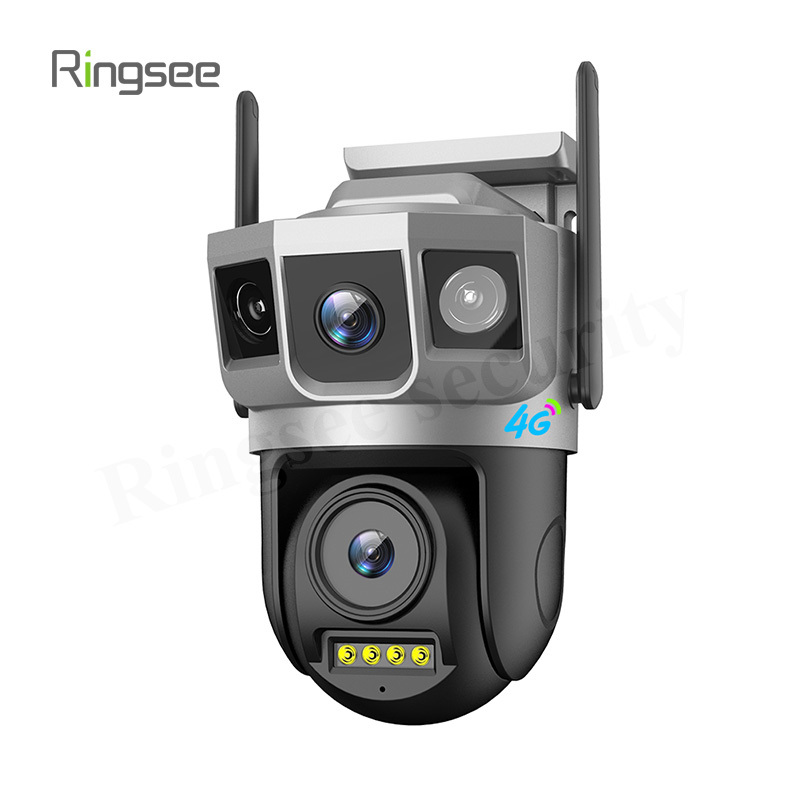
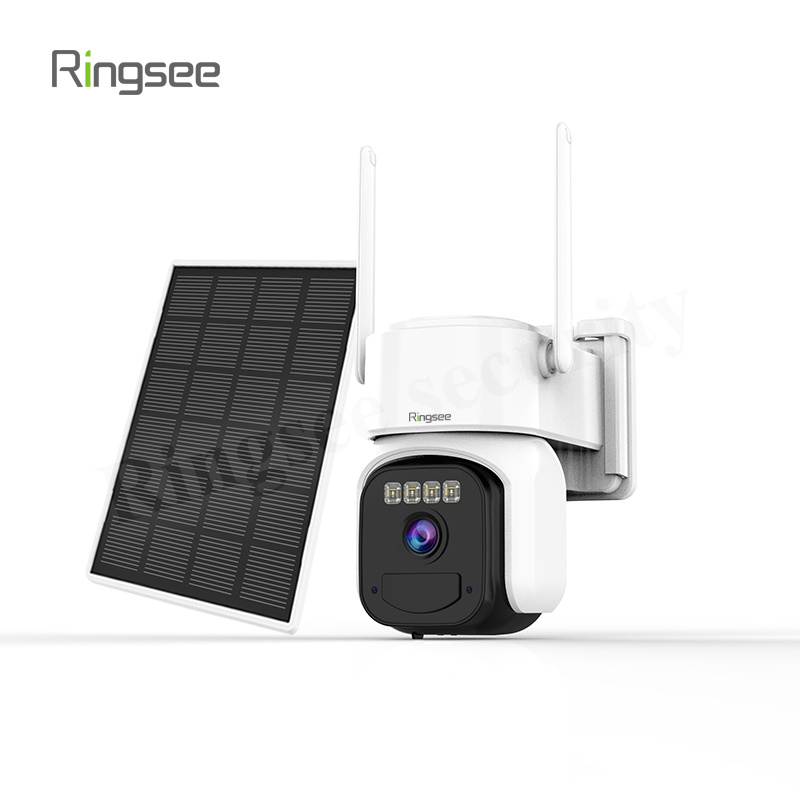
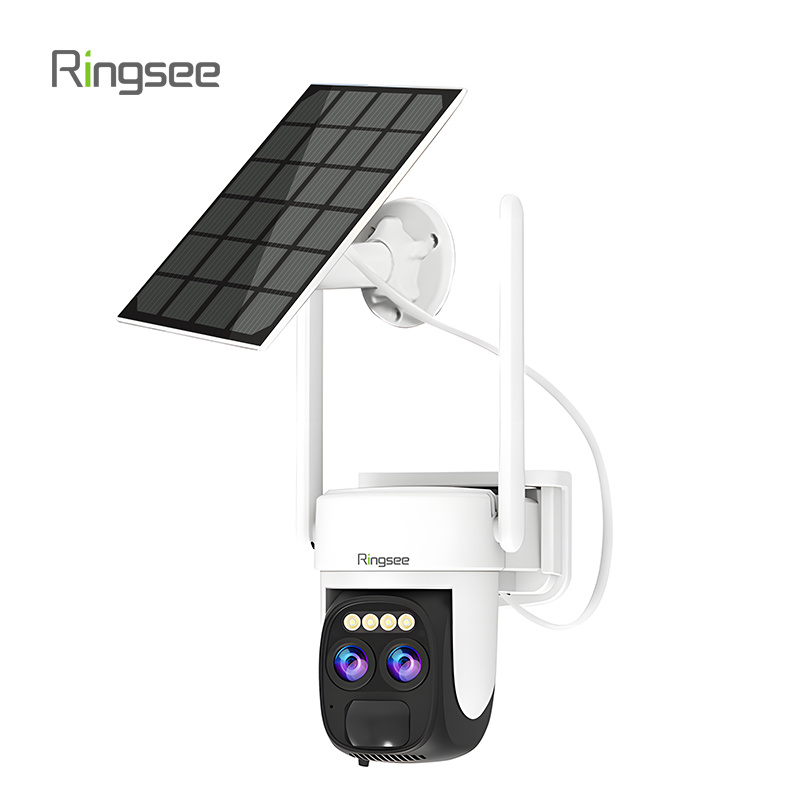
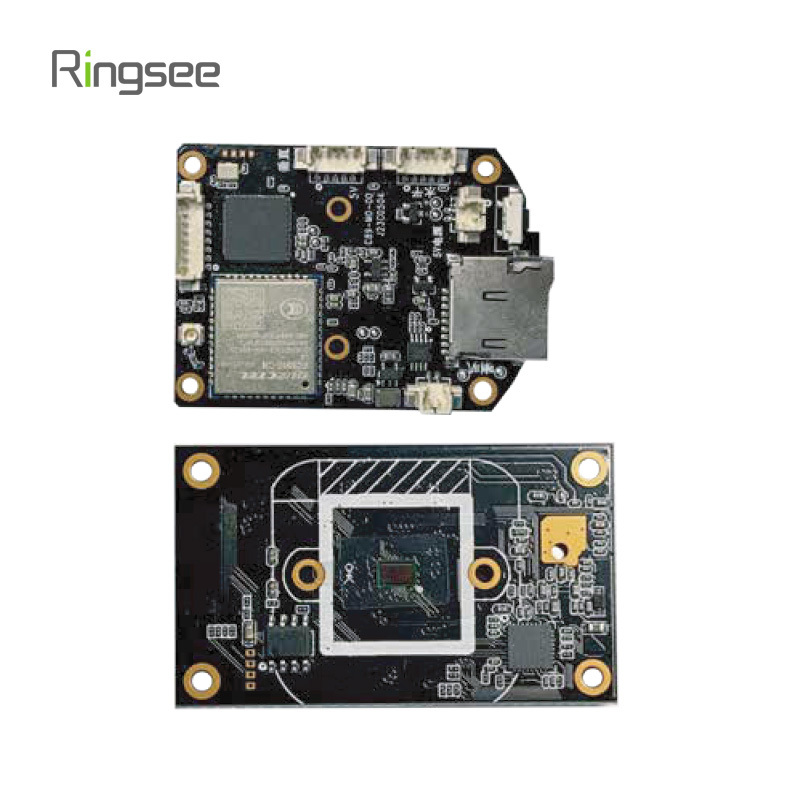
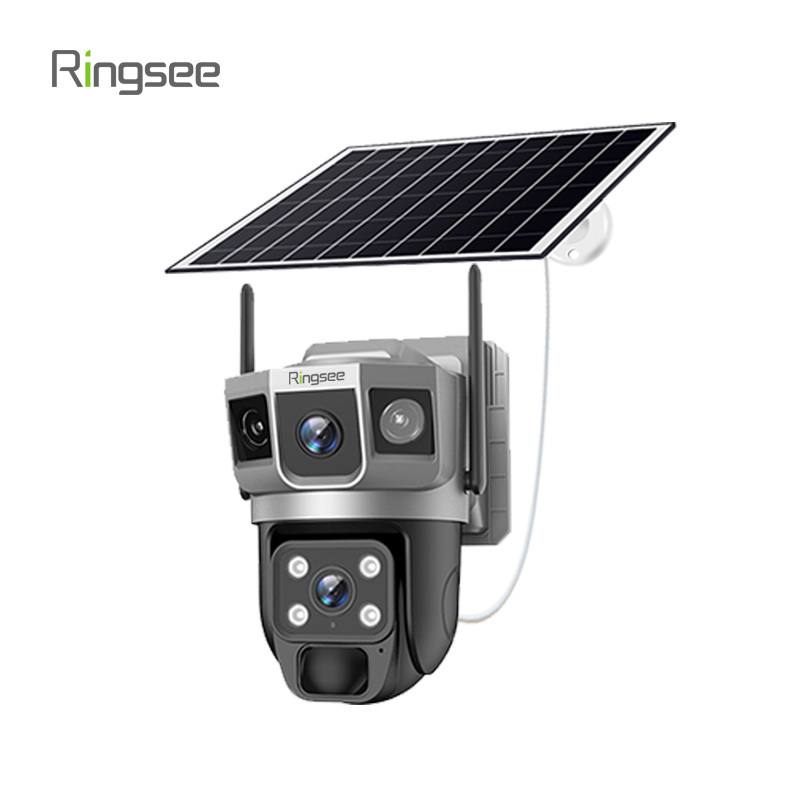
4G Solar Security Camera Outdoor Wireless
Conclusion
Low-power solar cameras are transforming the way we approach security. Offering benefits such as energy savings, eco-friendliness, and increased reliability, these cameras are a powerful addition to any security system. Whether you're securing a remote location, reducing your energy costs, or looking for a low-maintenance surveillance solution, solar-powered cameras offer an ideal solution for modern security needs.
If you're looking for a reliable solar-powered security camera solution, consider investing in these advanced systems to improve both security and energy efficiency. With benefits like continuous operation during power outages, low operating costs, and minimal maintenance, low-power solar cameras are an excellent choice for the future of security.
Noticias relacionadas
Las fabricas, campus y cadenas de tiendas que llevan 5 o 6 anos con videovigilancia analogica enfrentan el mismo muro: imagenes borrosas, grabaciones irrecuperables y sin camino a analitica IA en hardware obsoleto. Esta guia desglosa el inventario previo a la actualizacion, compara la ruta de reutilizacion de coaxial HD con la reconstruccion IP completa, da formulas de recalculo de ancho de banda y almacenamiento, y plantea un plan de migracion por zonas sin detener la operacion, con lista de verificacion de seleccion.
Oct 31,2026
Guia de videovigilancia inalambrica para obras: energia solar mas puente inalambrico mas IA
Para quien: directores de proyecto, responsables de seguridad e integradores de baja tension en construccion civil, carreteras, mineria, energia y obras municipales. Conclusion central: la vigilancia de obra es un sistema de video de borde bajo cuatro restricciones: sin red electrica, sin fibra, entorno hostil, alta rotacion de personal. Esta guia ofrece una arquitectura reutilizable end-edge-cloud que cubre energia, retorno, IA y cumplimiento.
Oct 31,2026
Externalizacion del mantenimiento de CCTV: niveles de SLA, tarifas de mercado, KPI y contrato
Conclusion primero: el coste real de un sistema de videovigilancia esta en su operacion. Tres anos de mantenimiento equivalen normalmente al 30 % al 50 % del coste de instalacion, pero la mayoria de compradores gasta el presupuesto en la instalacion y deja la operacion a quien lo note. Fije el alcance del mantenimiento al firmar el contrato de instalacion. Esta guia desglosa el modelo de decision propio frente a externo, un SLA de tres niveles (P1 / P2 / P3), las tarifas de mercado por punto y como leer un presupuesto, los dos KPI que deciden el pago (tasa de disponibilidad de camaras e integridad de grabacion), las cinco clausulas que todo contrato debe contener, los 90 dias de transicion donde mas a menudo se pierde el control, y una lista de verificacion de seleccion con pruebas de aceptacion.
Oct 25,2026
Seleccion de NVR y gestion de grabacion: canales, decodificacion, ONVIF, retencion y almacenamiento
Conclusion primero: el numero de canales de un NVR es una licencia, no un puerto fisico. Especifique el equipo por dos numeros duros — ancho de banda de entrada y capacidad de decodificacion — y luego por compatibilidad ONVIF y estrategia de almacenamiento. Los tres fallos mas frecuentes son: graba pero la vista local se traba, al mezclar marcas se pierden eventos inteligentes, y los discos de escritorio fallan en un ano. Esta guia cubre la eleccion de arquitectura (NVR embebido / hibrido / VMS / edge), los tres indicadores duros (canales, ancho de banda de entrada, decodificacion), compatibilidad de perfiles ONVIF y aceptacion, plan de grabacion y formula de capacidad, seleccion de RAID y disco de videovigilancia, reproduccion y busqueda forense, y los campos del contrato mas las pruebas de aceptacion que frenan las disputas.
Oct 25,2026
Guía de videovigilancia autónoma: energía solar y enlace 4G/5G
En resumen: la videovigilancia autónoma (solar + 4G) falla nueve de cada diez veces no por la cámara, sino por un mal cálculo del presupuesto de energía y del tráfico de datos: dimensionar paneles y baterías por la potencia pico muere en el primer día nublado, y elegir el 4G por «si conecta» agota el plan de datos o se atasca con señal débil. Esta guía cubre cómo decidir si la solución autónoma es siquiera la correcta, un presupuesto energético en vatios-hora de 24 horas, el dimensionado de panel y batería (horas de sol pico, profundidad de descarga, autonomía en días de lluvia), diseño de bajo consumo con PIR, presupuesto de tráfico 4G/5G y multioperador, protección contra sobretensiones y puesta a tierra, calefacción invernal, y campos de contrato y pruebas de aceptación.
Oct 17,2026
Enlaces:Tecnología de energía de un cinturón
Añada: 14to piso, edificio de Baoshan, distrito de Longhua, Shenzhen China.